

In the fast-paced world of trading, understanding price movements is crucial for success. One of the most significant indicators that traders keep an eye on is the potential for market reversals. Recognizing reversal patterns can help traders make informed decisions, ultimately maximizing their profits. Here are five main reversal patterns every trader must know.
1. Head and Shoulders
The Head and Shoulders pattern is one of the most reliable reversal signals available to traders. It typically appears in an uptrend and is characterized by three peaks: the first (the left shoulder), a higher peak (the head), and a third peak (the right shoulder) that is lower than the head. This pattern suggests a transition from bullish to bearish sentiment. The neckline, which forms at the level where the price breaks below, serves as an essential reference point for entering a trade. Traders often look for a sell signal when the price drops below this neckline, indicating a strong potential for a trend reversal

2. Inverse Head and Shoulders
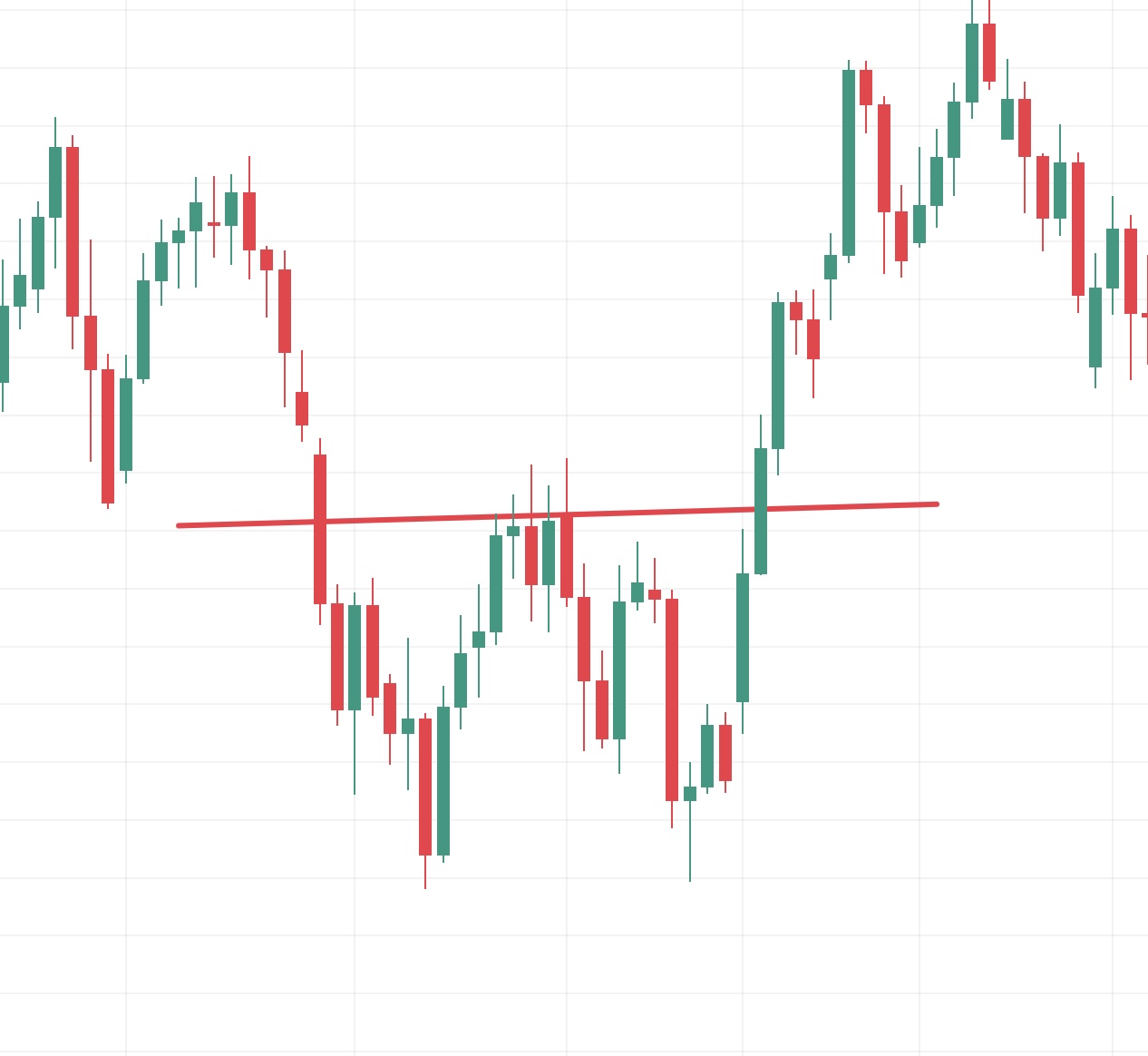
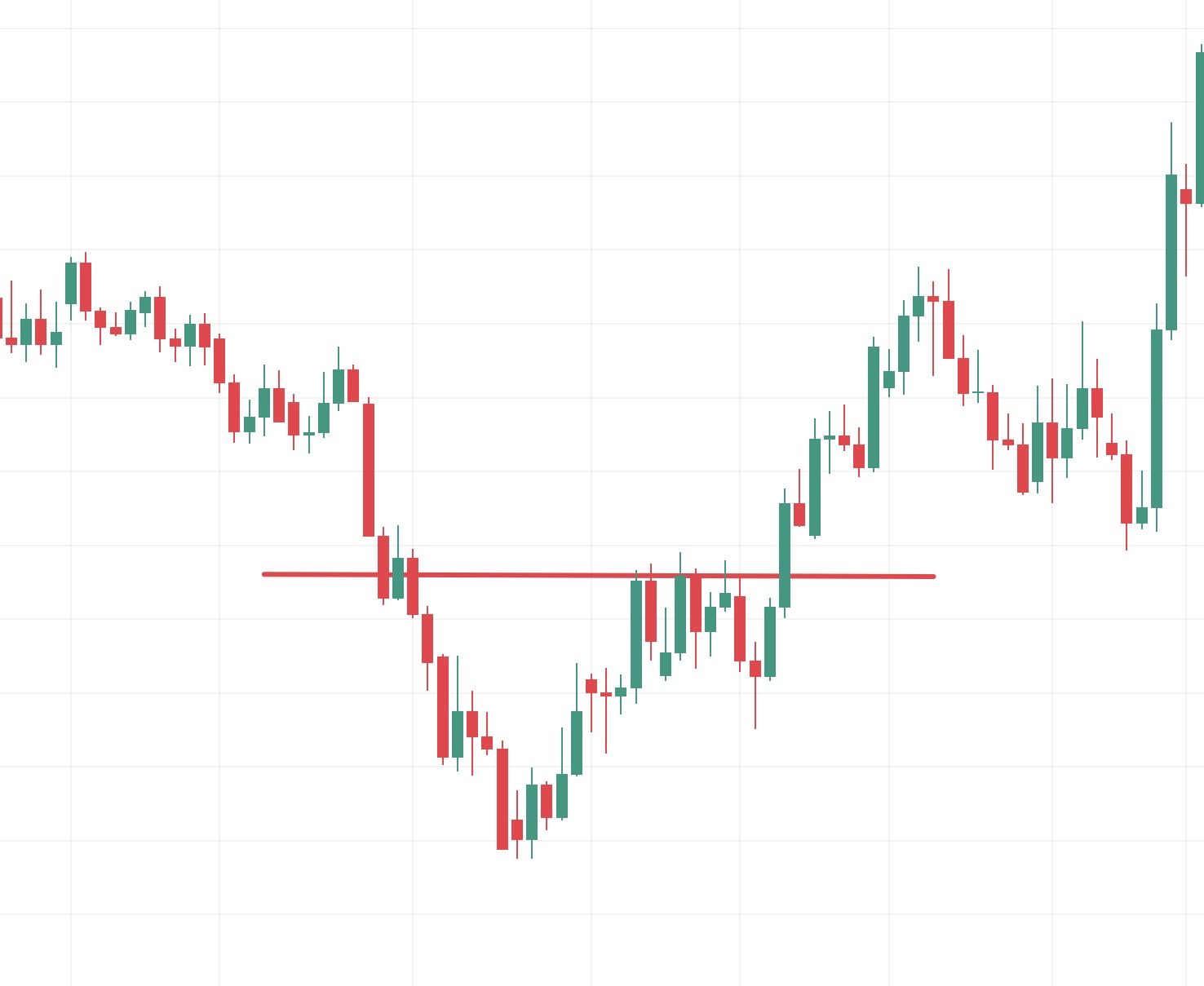
Conversely, the Inverse Head and Shoulders pattern signals a potential bullish reversal and typically forms at the end of a downtrend. This pattern mirrors the traditional head and shoulders but is inverted: it consists of three troughs instead of peaks. The first trough forms the left shoulder, the lowest trough the head, and the right shoulder is the final trough. Traders watch for the price to break above the neckline, which represents a shift in market sentiment from bearish to bullish. This pattern can provide excellent buy opportunities, especially when confirmed with high trading volume.

3. Double Top
The Double Top pattern is another classic reversal pattern that traders should familiarize themselves with. This formation occurs after an uptrend and consists of two peaks at roughly the same price level, separated by a trough. The pattern is complete when the price breaks below the trough, confirming the shift from bullish to bearish. Traders often set sell orders just below this support level, anticipating a significant price decline. It’s important to pay attention to volume; a rising volume on the second peak followed by a decline on the breakout often enhances the reliability of this pattern.

4. Double Bottom
The Double Bottom pattern is the bullish counterpart to the Double Top and signifies a potential reversal at the end of a downtrend. It consists of two troughs that are approximately equal, with a peak in between. When the price breaks above the peak, it confirms a reversal to an uptrend. Similar to the Double Top, traders look for increased volume during the breakout to validate the pattern. This setup often provides attractive entry points for long positions.
5. Cup and Handle
The Cup and Handle pattern is a longer-term bullish reversal pattern that resembles the shape of a tea cup. The ‘cup’ represents a rounded bottom, indicating a consolidation phase, while the ‘handle’ is a slight pullback before the breakout occurs. Traders often enter the market when the price breaks above the resistance line drawn at the top of the cup, accompanied by increased volume. This setup not only signals a trend reversal but also reflects strong bullish momentum.
Conclusion
Understanding these five key reversal patterns can significantly enhance a trader’s ability to predict market movements effectively. By mastering the Head and Shoulders, Inverse Head and Shoulders, Double Top, Double Bottom, and Cup and Handle patterns, traders can make informed decisions, manage risks more effectively, and potentially increase their profitability in the markets. Recognizing these patterns early can provide a competitive edge in today’s dynamic trading environment.
Investment Disclaimer: This analysis is for educational and informational purposes only. Trading “Titan” stocks and scaling into declining markets involves significant risk. Past performance is not indicative of future results. I am not a financial advisor. Please perform your own due diligence or consult a certified financial professional before making any investment decisions.