
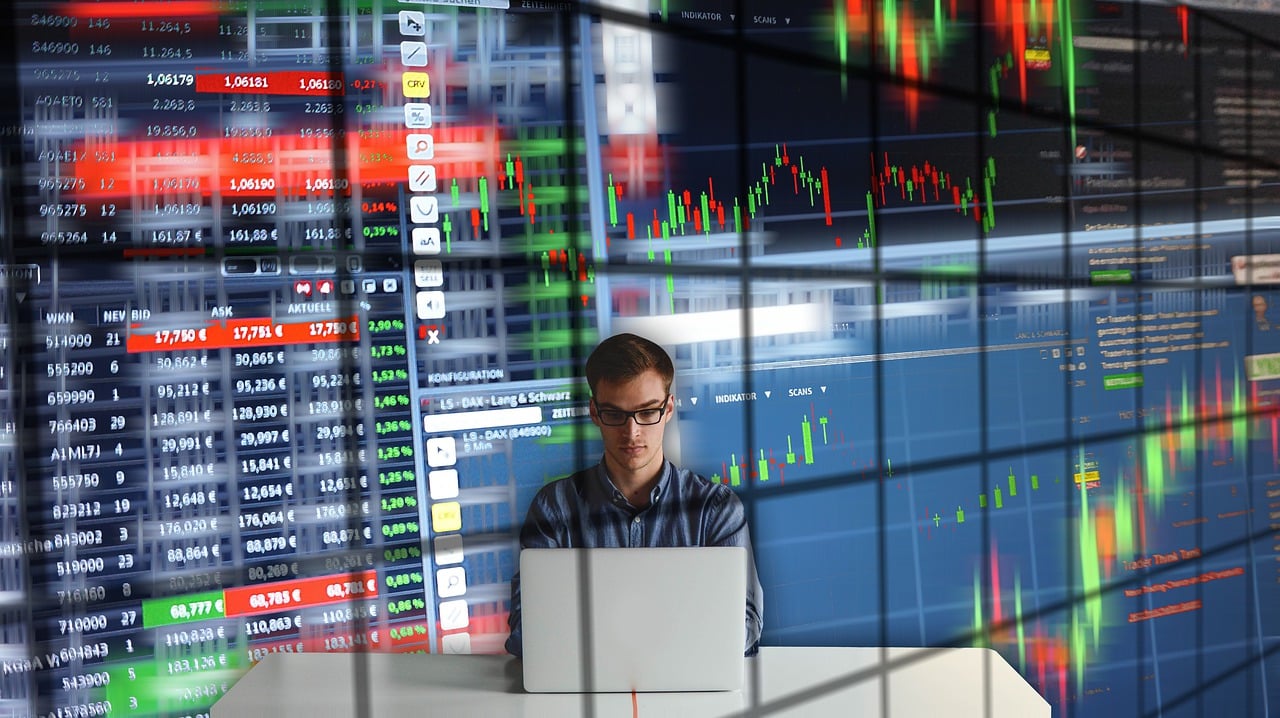
What is Forex Trading? A Beginner’s Guide for Aspiring Forex Traders
Forex trading, or foreign exchange trading, has become an increasingly popular choice for individuals seeking investment opportunities. Unlike traditional stock markets, which focus solely on company shares, forex trading involves the exchange of currencies. It operates on a global scale, making it the largest financial market in the world. With a daily trading volume exceeding $6 trillion, participants range from banks and financial institutions to individual traders worldwide, drawn by the appeal of leveraging money and operating in a 24/5 marketplace.
At its core, forex trading revolves around currency pairs. When you trade in the forex market, you’re essentially buying one currency while simultaneously selling another. This is typically represented in pairs, such as EUR/USD (the euro against the U.S. dollar) or GBP/JPY (the British pound against the Japanese yen). The value of a currency pair fluctuates based on economic factors, geopolitical events, and market sentiment, creating opportunities for profit.
For individuals considering entering the forex market, it’s essential to understand how trading works. Currency prices reflect the economic conditions of the countries they represent. Economic indicators like GDP, employment figures, and central bank decisions can significantly influence currency value. For instance, if the U.S. Federal Reserve raises interest rates, the U.S. dollar might strengthen against other currencies, affecting pairs like USD/JPY or USD/EUR.
One of the key aspects of forex trading is leverage. This allows traders to control larger positions with a smaller amount of capital. For example, using a leverage ratio of 100:1, a trader can control $100,000 in currency by depositing only $1,000. While leverage can amplify profits, it also increases risk, making proper risk management essential for long-term success.
An essential concept for forex traders is technical analysis, which involves using charts and historical data to predict future price movements. Traders often look for patterns and indicators, such as moving averages or the Relative Strength Index (RSI), to make informed decisions. Fundamental analysis, on the other hand, focuses on economic news and data releases to assess market strength and direction.
Another critical element is the forex market’s liquidity. Being the largest financial market, forex boasts high liquidity, meaning currencies can be bought and sold quickly without significantly affecting their prices. This feature is appealing for day traders and scalpers who utilize short-term strategies to capitalize on small price movements.
For those interested in starting forex trading, choosing the right broker is pivotal. Factors to consider include regulation, trading costs such as spreads and commissions, available trading platforms, and customer service. Additionally, practicing with a demo account can help new traders develop their skills without risking real money.
In conclusion, forex trading offers a unique opportunity for investors to engage in global financial markets. While the potential for profit is enticing, it’s crucial for beginners to educate themselves thoroughly and develop a solid trading strategy. As with any form of trading, patience, discipline, and ongoing education will play significant roles in achieving success in the dynamic world of forex trading.
Investment Disclaimer: This analysis is for educational and informational purposes only. Trading “Titan” stocks and scaling into declining markets involves significant risk. Past performance is not indicative of future results. I am not a financial advisor. Please perform your own due diligence or consult a certified financial professional before making any investment decisions.